Your first trip, totally sorted.
What to pack, what nobody tells you, the do’s and don’ts, and the official links you need – country by country.
What to packThe first-timer checklist
- Passport with at least 6 months’ validity left when you arrive – and no tears or water damage (Indonesia has refused damaged passports). Keep a photo of it on your phone.
- Universal travel adapter – Australian plugs don’t fit sockets in Indonesia, Thailand, Vietnam or the Philippines.
- SPF 50+ sunscreen and insect repellent (DEET or picaridin) – dengue is spread by day-biting mosquitoes.
- Light long sleeves or a sarong to cover shoulders and knees at temples.
- Prescription medicines in their original packaging with a doctor’s letter. Check each one is legal where you’re going – some ADHD and codeine medicines are banned in parts of Asia.
- Mini first-aid kit: rehydration salts, anti-diarrhoea tablets, plasters, antiseptic.
- Two bank cards kept apart (one fee-free travel card + a backup) and some A$ cash for emergencies.
- Power bank in your carry-on – airlines don’t allow them in checked bags.
- Rain poncho in the wet season, thongs plus comfy walking shoes, a small day pack and a refillable bottle.
- Unlocked phone that supports eSIM, with offline maps downloaded before you go.
Things nobody tells you10 lessons we learned the hard way
- Arrival cards are online now. Indonesia (All Indonesia), Thailand (TDAC) and the Philippines (eTravel) all use free official forms – fake look-alike sites charge fees. Use the official links in each country guide.
- Grab is your best friend. It’s the go-to ride and food app across most of Southeast Asia (Gojek is also big in Bali). Fixed prices up front beat haggling with taxis.
- Always pay in the local currency. When a card machine or ATM offers to charge you in A$, say no – that “conversion” usually costs more.
- Your insurance may not cover scooter crashes unless you hold the right motorcycle licence (Australian + International Driving Permit) and wear a helmet. Read the fine print.
- Don’t drink the tap water – bottled or filtered only, and be careful with ice from street stalls.
- Cash still rules at markets, warungs and on small islands. Carry small notes – drivers and stalls often can’t change big ones.
- “++” on a menu means tax and service charge are added on top of the price shown.
- Toilets often have a hose spray instead of paper – carry tissues and hand sanitiser.
- Markets expect a bit of haggling – smile, start lower and walk away politely if it’s too much. Shops with price tags are fixed.
- Overstaying your visa costs a daily fine and can mean detention or a ban. Diary your exit date.
Do's & don'tsRespect, etiquette and the law
Do
- Cover shoulders and knees at temples (and wear a sarong in Bali temples)
- Take shoes off before entering homes and temples
- Give and receive things with your right hand (or both hands)
- Stay calm and smile – shouting makes people lose face and gets you nowhere
- Wear a helmet on every scooter ride
- Ask before photographing people, monks or ceremonies
- Keep a copy of your passport and insurance on your phone
Don’t
- Touch anyone’s head or point your feet at people or Buddha images
- Criticise the Thai royal family – it’s a serious crime in Thailand
- Women: don’t touch monks or hand things directly to them
- Carry or buy any drugs – penalties are severe, including the death penalty in some countries
- Bring vapes into Thailand – e-cigarettes are illegal there
- Buy wildlife products or ride elephants
- Leave drinks unattended or drink cheap mystery spirits (methanol poisoning has happened)
Money & ATMsCash, cards and changing money
Withdraw larger amounts less often (local ATMs add their own fee), use bank-branch ATMs, and only change cash at licensed money changers.


SIM & eSIMData the minute you land
The easiest option is an eSIM bought before you fly – you land with data and keep your Aussie number for bank texts. Local SIMs at the airport are cheap too, but you’ll need your passport to register them.
Scams to dodgeThe usual tricks and how to avoid them
The classics: “closed temple” detours, rigged taxi meters, gem shops, fake arrival-card websites, short-changing, and scooter-damage claims. Always use Grab or metered taxis, photograph a rental bike before you ride, and count your change.
Visas & arrival cardsOfficial links only
Rules change – always confirm on the official government site before you book. Checked 17 Nov 2026 for Australian passports:
Health & waterStay well while you’re away
- See your GP or a travel clinic 6–8 weeks before you fly about vaccines and medicines.
- Dengue is common – cover up and use repellent, especially at dawn and dusk.
- Rabies is present – don’t pat dogs, cats or monkeys. If bitten or scratched, wash for 15 minutes and get to a clinic the same day.
- Buy travel insurance that covers medical evacuation – hospital bills overseas can run into tens of thousands of dollars.
- Check Smartraveller for the latest advice and subscribe to updates.
Pick your destination
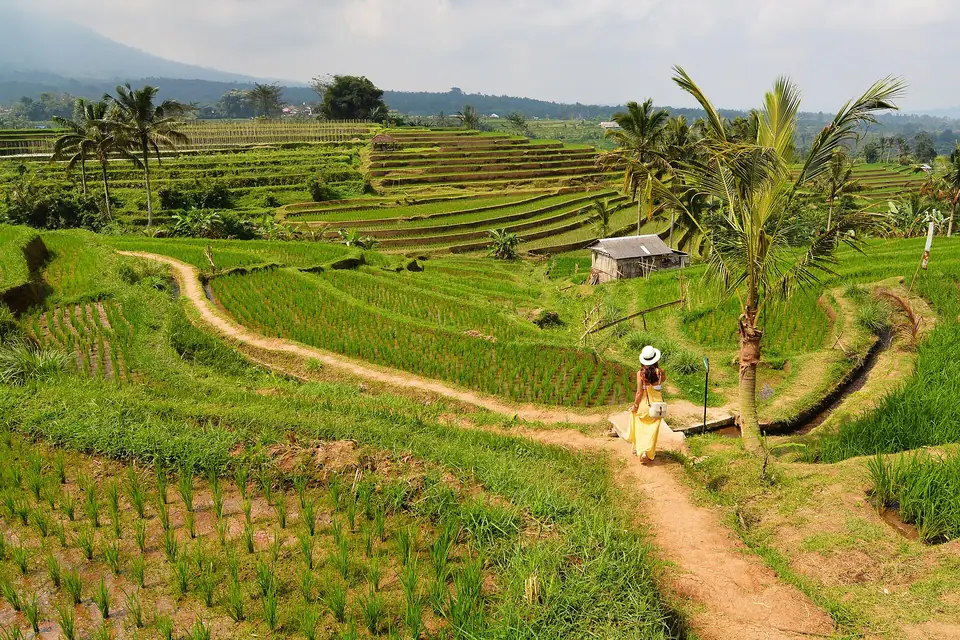 Bali & Indonesiae-VOA + All Indonesia arrival card + Bali tourist levy
The things that matter most
- Get the All Indonesia arrival card and an e-VOA before you fly. Complete the arrival card within 72 hours of travel, then apply for the e-Visa on Arrival. Official sites only: allindonesia.imigrasi.go.id and evisa.imigrasi.go.id. Fake sites charge a fee for the arrival card. (Smartraveller)
- The e-VOA / Visa on Arrival costs IDR 500,000. It is valid for 30 days and can be extended once, for up to another 30 days, at an immigration office. Apply for the e-VOA at least 48 hours before travel if you can; otherwise you can still get a VOA at certain airports, including Ngurah Rai (Denpasar). The e-VOA also has a small online processing fee. Passport must have at least 6 months' validity from the date you enter; 6 months from the date you leave is also recommended. Damaged passports, including minor tears or water damage, have been refused. (Smartraveller; official fee also listed on evisa.imigrasi.go.id)
- Pay Bali's tourist levy separately: IDR 150,000 per person. This is not the visa. Pay cashless on the official Love Bali site or app before you fly, or at airport/seaport counters. Keep the QR voucher. (Smartraveller; Love Bali FAQ)
- Change money only at Bank Indonesia-licensed changers. Look up the official map at moneychangerbali.com. See the detailed money section below. (Smartraveller; Bank Indonesia / BI Bali)
- Drugs, including cannabis, CBD and many ADHD medicines, can mean jail or worse. Indonesia has the death penalty for some drug offences. Medicinal cannabis and CBD are illegal even with an Australian prescription. Check that every medicine you pack is legal, and take travel insurance that covers evacuation. (Smartraveller)
- Watch drinks, and skip cheap homemade spirits. Drink spiking and methanol poisoning have happened in Bali and Lombok. Don't leave drinks unattended. Legal drinking age is 21 (alcohol is illegal in Aceh). (Smartraveller)
From our sourced Bali & Indonesia first-timer guide (official sources linked there). Last checked 17 Nov 2026.
Read the full Bali & Indonesia guide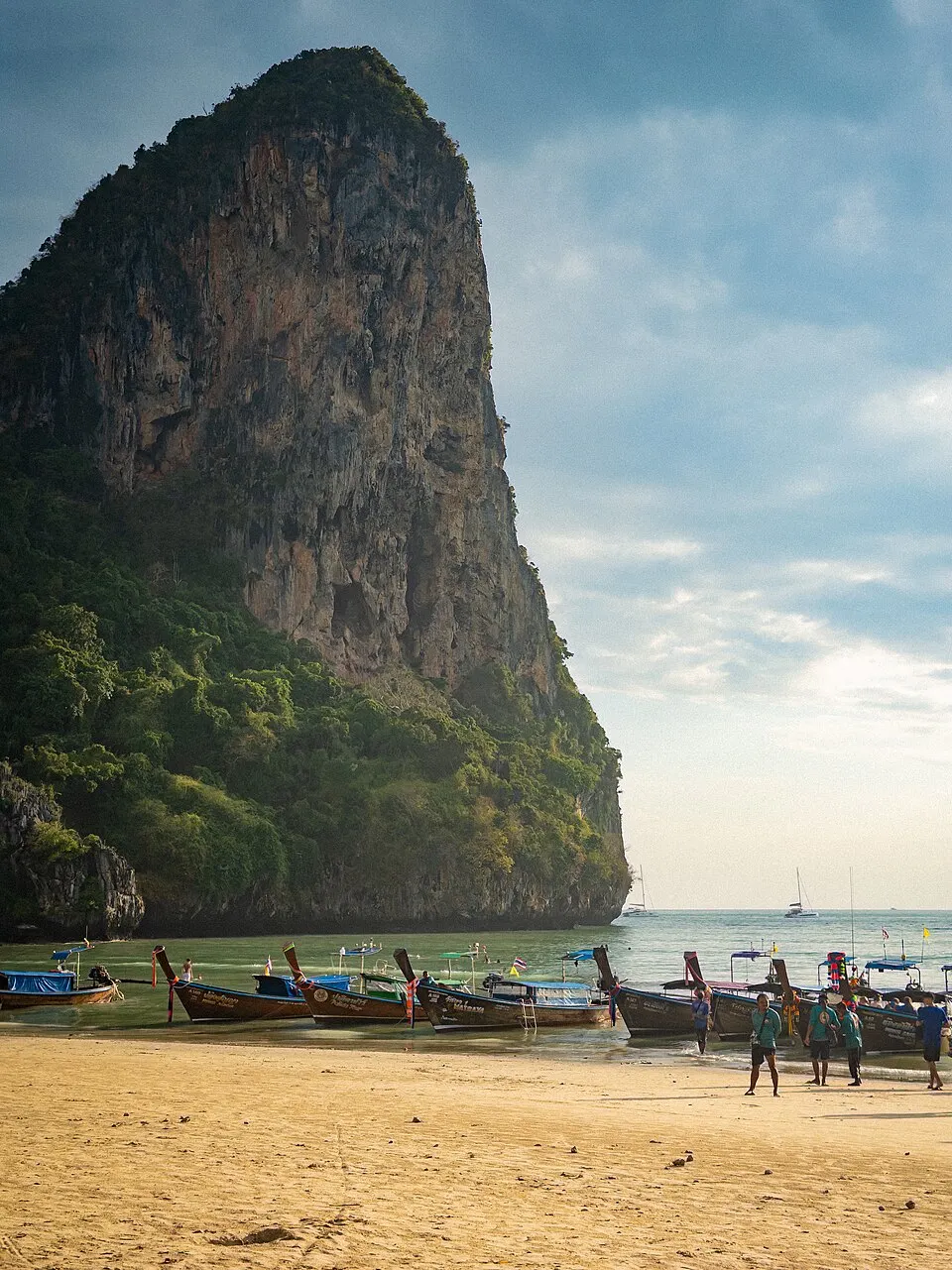 ThailandVisa-free 30 days for most Aussies + free TDAC arrival card
The things that matter most
- Most Australians can enter visa-free for 30 days, not 60. From 15 September 2026 the 60-day visa exemption ended. Australia is on the official 30-day tourism exemption list. Your passport must be valid for more than 6 months. Be ready to show accommodation details, enough funds, and a return or onward ticket. (Smartraveller; TAT Newsroom / Royal Gazette summary; Thai Government PRD)
- Complete the free Thailand Digital Arrival Card (TDAC) within 3 days before you arrive. Official site: tdac.immigration.go.th. You can also use Thailand's official THIM app. It is not a visa, and it is free. Fake sites charge a fee — ignore them. You need a new TDAC for every entry. (Smartraveller; Thai Immigration TDAC FAQ)
- Land-border visa-free entries are generally limited to twice per calendar year. That limit does not apply in the same way if you fly in. If you need more than 30 days, arrange the correct visa or ask Immigration about an extension before you overstay. Overstaying can mean a fine, arrest, detention or a re-entry ban. (TAT Newsroom; Smartraveller)
- Vapes are illegal. Do not bring, buy or use e-cigarettes, pods, e-liquid or heated-tobacco devices. Import and possession can lead to arrest, fines and imprisonment. (Thai Government; Royal Thai Embassy, Stockholm — ban explanation)
- Never insult the monarchy or Buddha images. Lèse-majesté and related laws are taken very seriously. That includes social media, tattoos, and drunken jokes.
- Drugs, drink spiking and methanol are real risks. Penalties for drugs are severe. Don't leave drinks unattended, and be careful with cheap spirits. (Smartraveller)
From our sourced Thailand first-timer guide (official sources linked there). Last checked 17 Nov 2026.
Read the full Thailand guide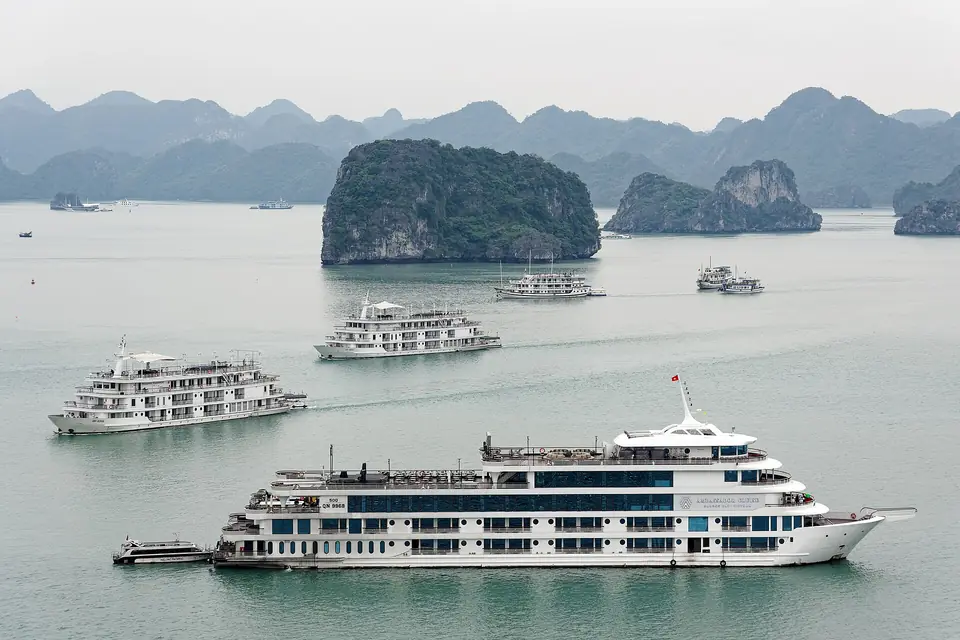 Vietname-visa needed BEFORE you fly – no visa on arrival
The things that matter most
- Australians need a visa before they fly. You cannot get one on arrival. Apply only on the official sites: evisa.gov.vn or thithucdientu.gov.vn. If approved, an e-visa can allow a stay of up to 90 days, single or multiple entry. Print a hard copy. (Smartraveller; Vietnam Embassy in Australia)
- Check every letter of your name. The e-visa must match your passport biodata page exactly, including middle names. Errors can mean a large correction fee, being stopped at check-in, or being refused entry. On arrival, also check the exit date stamped in your passport before you leave the immigration desk — if that date is wrong you can be fined for overstaying. (Smartraveller)
- Official e-visa fees are US$25 for a single entry and US$50 for a multiple entry. Pay only through the official portal. The fee is not refunded if the application is refused. Processing is generally up to three working days, so don't leave it until the night before. (Fees from the Ministry of Public Security public-service listing: e-services.mps.gov.vn; immigration.gov.vn)
- Complete the Digital Pre-Arrival form if you are flying into Ho Chi Minh City, Hanoi or Phu Quoc (and any other airport that later joins the system). Smartraveller says Vietnam encourages you to complete it online within 72 hours of arrival. Official portal: prearrival.immigration.gov.vn. (Smartraveller; Vietnam Immigration Department announcement via MPS)
- Use Grab, and be careful at ATMs. Bag snatching from motorbikes is common. Travellers have been robbed at ATMs. Use bank, hotel or shopping-centre machines, and metered or pre-booked cars, especially at airports. (Smartraveller)
- You need a Vietnamese driver's licence to ride a motorbike of 50cc or more. An Australian licence or an International Driving Permit is not what Smartraveller says is required. Traffic is intense. If you do not hold a Vietnamese licence, use Grab. (Smartraveller)
From our sourced Vietnam first-timer guide (official sources linked there). Last checked 17 Nov 2026.
Read the full Vietnam guide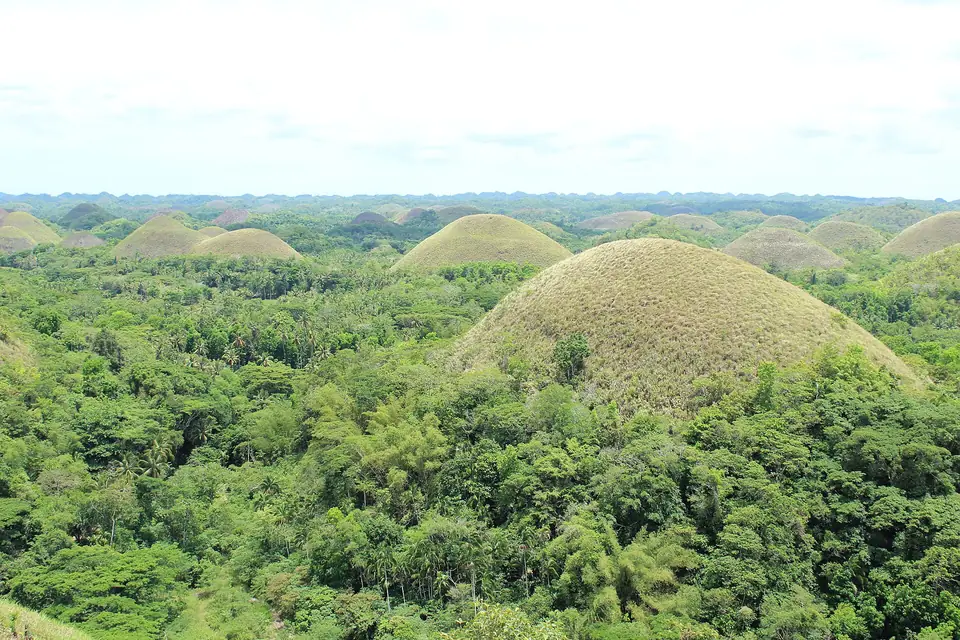 PhilippinesVisa-free 30 days + free eTravel registration
The things that matter most
- Australians can usually enter visa-free for 30 days. You still have to meet entry conditions, including a passport and typically a return or onward ticket. If you want to stay longer, extend with the Bureau of Immigration before the 30 days run out, or get the right visa before you fly. (Smartraveller; Philippine Embassy, Canberra)
- Register on eTravel, for free, within 72 hours of arrival — and again before you leave. Official site only: etravel.gov.ph. Save or print the QR code. Airlines check it before boarding. Fake sites charge a fee; the real one does not. (Smartraveller; eTravel official FAQ)
- Do not use ordinary taxis, especially at airports. Smartraveller says travellers have been robbed or harmed, and tells you to use government-approved rideshare (Grab is the name most visitors know) or a hotel car. (Smartraveller)
- Keep cash, and be careful at ATMs. Cards work in cities and hotels, but skimming occurs, and smaller islands and eateries are still cash-heavy.
- Stay off the “do not travel” parts of Mindanao and the Sulu Sea. Siargao, Camiguin and Dinagat are carved out of the eastern Mindanao warning, but the rest of that region is not a casual add-on to a beach holiday. (Smartraveller)
- Typhoons, floods and landslides are a regular risk, especially in the wetter months (often around June to November). Insurance should cover weather disruption, and you should be willing to change plans. (Smartraveller)
From our sourced Philippines first-timer guide (official sources linked there). Last checked 17 Nov 2026.
Read the full Philippines guideMore of Asia
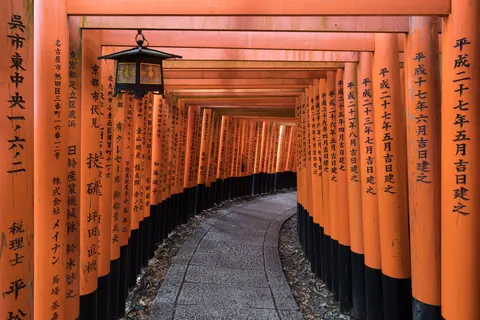 JapanGuide coming soon · Smartraveller advice ↗
 CambodiaGuide coming soon · Smartraveller advice ↗
 LaosGuide coming soon · Smartraveller advice ↗
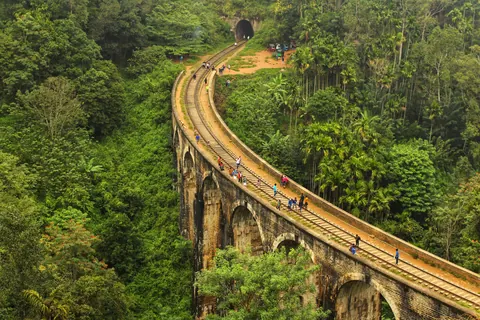 Sri LankaGuide coming soon · Smartraveller advice ↗
 ChinaGuide coming soon · Smartraveller advice ↗
General travel information for Australian travellers, not legal, medical or immigration advice. Always check Smartraveller and official government sites before you travel.